
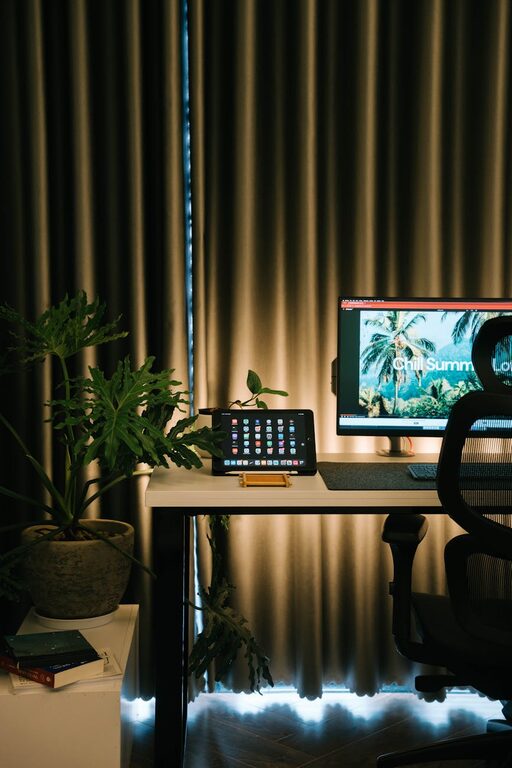
Creating a home workspace that is both cozy and productive can greatly enhance your ability to focus, stay organized, and feel comfortable throughout the workday. Whether you’re working remotely full-time or just need a dedicated spot for occasional tasks, designing the right environment is key. Below are helpful tips to guide you in setting up a home workspace that supports both comfort and efficiency.
1. Choose the Right Location
Selecting the best spot for your home office is the first step toward productivity and comfort.
– Find a quiet area: Choose a space with minimal distractions and foot traffic.
– Consider natural light: Pick a spot near a window to benefit from daylight, which can improve mood and reduce eye strain.
– Evaluate space needs: Ensure there’s enough room for your desk, chair, and necessary equipment without feeling cramped.
If space is limited, consider creative solutions like using a corner of a living room or bedroom with room dividers or shelving to define the workspace.
2. Invest in Comfortable and Ergonomic Furniture
Comfort directly affects how productive and focused you can be during your work hours.
– Desk: Opt for a desk that fits your needs—whether it’s a small writing desk or a larger one with storage.
– Chair: Choose an ergonomic chair that supports good posture. Adjustable height, lumbar support, and comfortable padding make a big difference.
– Accessories: Use a footrest or seat cushion if needed to enhance comfort.
Ergonomic furniture prevents discomfort and long-term health issues related to poor posture.
3. Optimize Lighting
Good lighting is essential for reducing eye strain and creating a welcoming atmosphere.
– Natural light: Take advantage of sunlight during the day, but avoid glare on your screens.
– Task lighting: Use desk lamps with adjustable brightness for focused tasks.
– Ambient lighting: Incorporate soft overhead lights or floor lamps to soften the room’s overall feel.
Layering different light sources helps create a balanced environment suited to your needs.
4. Organize Your Workspace
A clutter-free desk can help clear your mind and improve workflow.
– Declutter regularly: Remove unnecessary items and keep only essentials on your desk.
– Storage solutions: Use drawers, file organizers, or shelves to store papers, supplies, and electronics.
– Cable management: Employ cable clips or sleeves to keep cords tidy and out of the way.
Organized spaces make it easier to find what you need and maintain focus.
5. Personalize Your Space
Adding personal touches can increase your comfort and happiness while working.
– Decor: Include artwork, photos, or plants that inspire and relax you.
– Colors: Choose colors that suit your preferences—calming blues or energizing yellows can influence mood.
– Comfort items: A cozy blanket or a scented candle can make your workspace feel more inviting.
Personalization helps create a pleasant environment that encourages productivity.
6. Minimize Distractions
Creating boundaries helps you separate work from home life and maintain focus.
– Set limits: Communicate your work hours to household members.
– Use noise-cancelling headphones: These help block out background noise.
– Limit technology distractions: Turn off non-essential notifications during work hours.
Managing interruptions supports sustained concentration.
7. Incorporate Plants and Natural Elements
Adding nature to your workspace can improve air quality and reduce stress.
– Easy-care plants: Succulents, snake plants, or pothos are good low-maintenance options.
– Natural materials: Use wooden desk accessories or woven baskets for a warm feel.
Connecting with nature enhances mood and can increase productivity.
8. Keep a Healthy Routine
Your workspace sets the stage, but habits matter too for comfort and effectiveness.
– Take breaks: Stand, stretch, or walk around every hour to reduce fatigue.
– Stay hydrated: Keep water nearby and drink regularly.
– Maintain posture: Check your seating and desk height to avoid strain.
A healthy routine complements your cozy workspace to promote well-being.
—
Designing a cozy and productive home workspace is about balancing comfort with functionality. By thoughtfully choosing your location, investing in ergonomic furniture, managing lighting and organization, personalizing your area, and minimizing distractions, you can create an environment that supports your work and well-being. Remember, small changes can make a big difference in how you feel and perform each day. Start with one or two of these tips and gradually build a workspace that truly feels like your productive sanctuary at home.