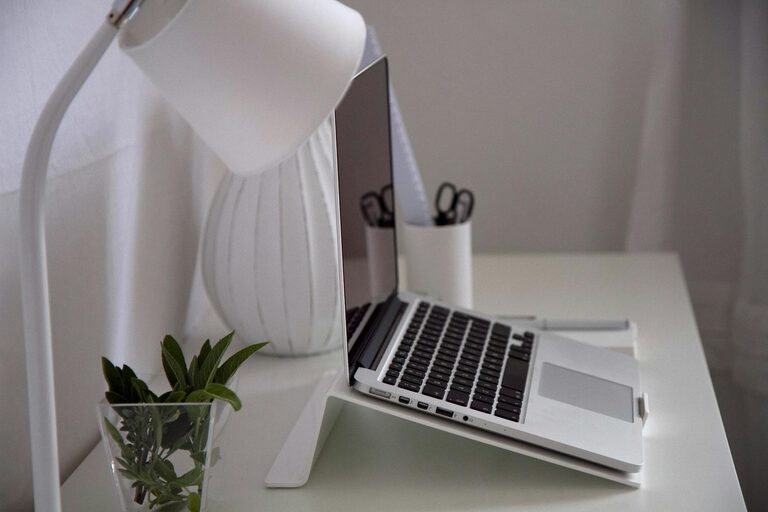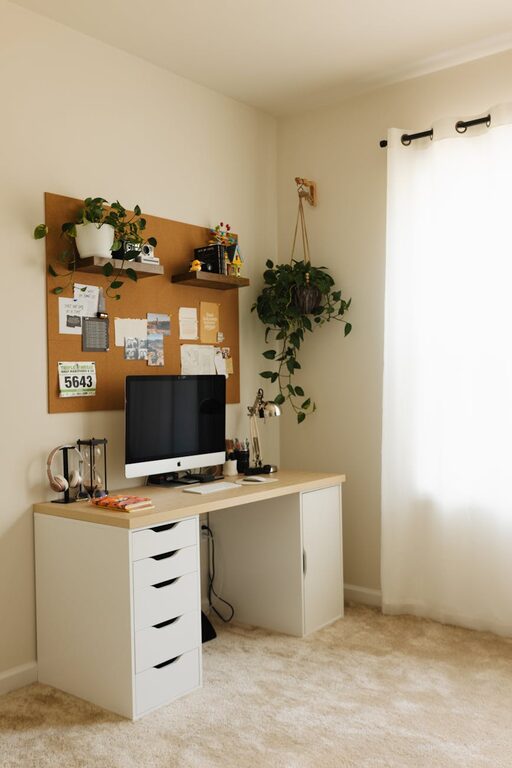
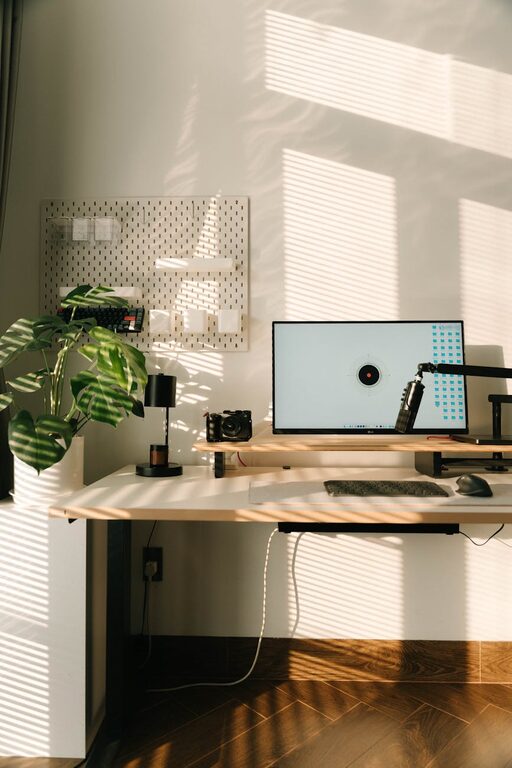
Creating a relaxing home office environment can significantly boost your productivity and overall well-being. When your workspace feels calm and inviting, it’s easier to stay focused and motivated throughout the day. Whether you are working full-time from home or occasionally need a dedicated spot, designing a comfortable and stress-free office is essential.
In this post, we will explore practical tips to help you create a relaxing home office that supports your work and helps you feel your best.
1. Choose a Quiet and Comfortable Location
Find the Right Spot
The location of your home office plays a key role in creating a relaxing environment. Select a quiet area away from household noise like television or frequent foot traffic. If possible, choose a space with natural light and good ventilation.
Consider Your Comfort
Ensure the area you pick allows you to arrange your furniture comfortably. You want enough room to move around without feeling cramped, which helps reduce stress and fatigue.
2. Invest in Ergonomic Furniture
Proper furniture supports better posture and helps prevent physical discomfort during long work hours.
– Ergonomic Chair: Look for chairs with adjustable height, lumbar back support, and comfortable cushioning.
– Desk at the Right Height: Your desk should allow your arms to rest comfortably with elbows at roughly 90 degrees.
– Footrest: If your feet don’t rest flat on the floor, consider using a footrest.
Ergonomic furniture can reduce strain and create a more pleasant working experience, promoting relaxation by avoiding aches and pains.
3. Optimize Lighting to Reduce Eye Strain
Lighting affects both mood and productivity. Poor lighting can cause headaches and fatigue.
– Maximize Natural Light: Position your desk near a window so you can benefit from daylight.
– Use Soft, Warm Lighting: Avoid harsh fluorescent bulbs; use adjustable desk lamps with warm, soft light instead.
– Reduce Glare: Arrange screens and light sources to minimize reflection or glare on your computer display.
Good lighting fosters a calm atmosphere where you can focus better without eye discomfort.
4. Declutter and Organize Your Space
A cluttered workspace often leads to a cluttered mind. Keeping your home office tidy and organized contributes to a soothing environment.
– Use Storage Solutions: Shelves, filing cabinets, and desk organizers help keep everything in place.
– Keep Only Essentials on Your Desk: Limit items to what you use daily to reduce distractions.
– Develop a Daily Cleanup Habit: Spend a few minutes each day tidying up to maintain order.
An organized workspace encourages concentration and reduces the mental load of searching for supplies or documents.
5. Personalize Your Workspace Thoughtfully
Adding personal touches makes your home office feel welcoming and motivating.
– Decorate with Plants: Indoor plants improve air quality and add calmness to the room.
– Use Calming Colors: Soft blues, greens, or neutrals can promote relaxation.
– Display Inspiring Items: Photos, artwork, or motivational quotes that make you smile can boost your mood.
However, avoid excessive decorations that might cause distractions.
6. Incorporate Soothing Elements
Adding simple elements that engage your senses can create a peaceful workspace.
– Aromatherapy: Use essential oil diffusers or scented candles with calming scents like lavender or eucalyptus.
– Background Sounds: Play soft instrumental music or nature sounds to mask distracting noises.
– Comfort Items: A soft throw blanket or comfortable cushion can add a cozy touch.
These elements help reduce stress and maintain a serene atmosphere.
7. Take Regular Breaks and Move
Even in the most relaxing environment, extended sitting and staring at screens can cause tension.
– Follow the 20-20-20 Rule: Every 20 minutes, look at something 20 feet away for 20 seconds to rest your eyes.
– Move Around: Stand up, stretch, or take short walks during breaks to relieve physical and mental fatigue.
Taking breaks supports sustained productivity and refreshes your focus.
8. Manage Technology Mindfully
Technology is essential but can also contribute to stress in a home office.
– Organize Cables: Use clips or sleeves to keep cords neat and out of the way.
– Limit Notifications: Turn off non-essential app alerts to reduce distractions.
– Use a Quality Headset: This helps if you frequently take calls or attend virtual meetings in noisy environments.
By managing technology, you create a more peaceful, focused workspace.
Conclusion
Designing a relaxing home office is about balancing functionality with comfort. By carefully selecting your location, investing in ergonomic furniture, optimizing lighting, and keeping your space organized, you create a workspace that supports productivity and well-being. Don’t forget to personalize your environment with calming decorations and incorporate regular breaks to maintain your energy throughout the day.
With these tips, your home office can become a sanctuary that helps you work more effectively and enjoy every minute spent there.