
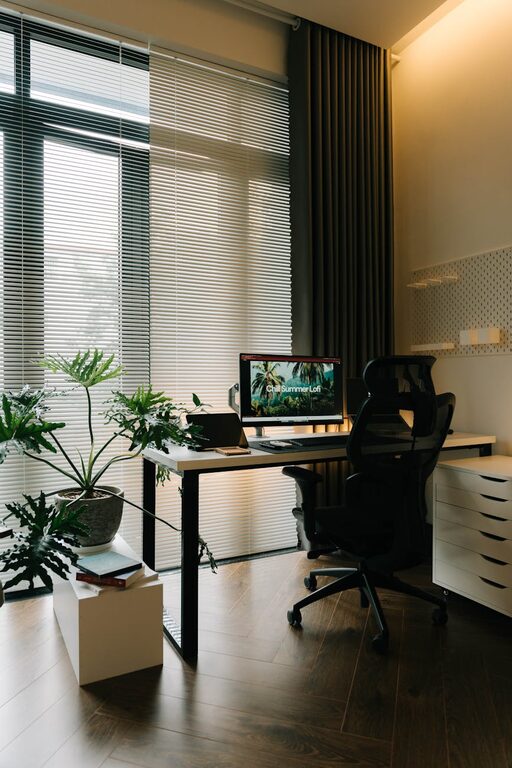
Creating a cozy and inviting home office space is essential for anyone who works from home or spends time on personal projects. A well-designed workspace can improve focus, increase motivation, and make your work hours much more enjoyable. Whether you have a small nook or an entire room to dedicate to your home office, there are simple ways to make it warm, welcoming, and practical. Here are some helpful tips to guide you in designing your perfect work area.
1. Choose the Right Location
Pick a Quiet Space
Find a spot in your home that is relatively quiet and free from distractions. Ideally, it should have enough natural light to keep you energized. If your space is near noisy areas, consider adding soft furnishings or a room divider to help reduce sound.
Consider Privacy
If privacy is important for your work, look for a room with a door or a secluded corner. This helps you separate work from the rest of your home life and creates a controlled environment.
2. Invest in Comfortable Furniture
Ergonomic Chair
A comfortable, ergonomic chair is crucial for long hours of work. Look for one that supports good posture and has adjustable features. Investing in quality seating can prevent back pain and increase productivity.
Functional Desk
Choose a desk that suits your working style. It should have enough space for your computer, notebooks, and other essentials. If space is limited, consider foldable or corner desks that make the most of small areas.
3. Use Warm and Soothing Colors
Color affects mood and concentration. Soft, warm colors like beige, light gray, or pastel shades can create a calming atmosphere. If you like bold colors, use them as accents in accessories like cushions, lampshades, or wall art instead of covering entire walls.
4. Maximize Natural Light
Natural light helps reduce eye strain and improves overall well-being. Position your desk near a window to take advantage of daylight. Use sheer curtains or blinds to control brightness without blocking light entirely.
5. Layer Lighting for Comfort
While natural light is ideal, you will still need adequate lighting during evenings or cloudy days.
– Overhead Lighting: A soft, diffused ceiling light works well.
– Task Lighting: A desk lamp with adjustable brightness focuses light where you need it most.
– Ambient Lighting: Consider adding fairy lights or a small floor lamp for a cozy glow that reduces harsh shadows.
6. Personalize Your Space
Adding personal touches makes your workspace more inviting. Here are some ideas:
– Artwork or Photos: Display images or art that inspire you.
– Plants: Indoor plants improve air quality and add a fresh, natural feel.
– Decorative Items: Choose meaningful items like souvenirs, candles, or a favorite mug.
7. Organize and Declutter
A neat desk encourages clear thinking and productivity.
Use Storage Solutions
Shelves, drawers, and organizers keep supplies tidy and within easy reach. Use labeled boxes or baskets to store similar items together.
Keep Only Essentials on Your Desk
Minimize clutter by limiting the number of items on your workspace to what you use daily. Store extra things away to maintain a clean surface.
8. Incorporate Technology Thoughtfully
Technology should support your workflow without overwhelming your space.
– Cable Management: Use clips or cable boxes to keep cords organized and out of sight.
– Monitor Stands: Elevate screens to eye level to avoid neck strain.
– Wireless Accessories: Wireless keyboards and mice reduce clutter and increase flexibility.
9. Create Zones for Different Tasks
If your space allows, designate areas for specific activities.
– Work Zone: The main desk for computer work and writing.
– Reading Zone: A cozy chair or bench nearby for breaks or brainstorming.
– Storage Zone: Shelves or cabinets to keep materials organized.
Having clear zones makes switching between tasks easier and keeps the workspace orderly.
10. Add Comfort with Textiles
Soft textiles can make your home office feel cozy and inviting.
– Area Rugs: Define your workspace and add warmth underfoot.
– Cushions and Throws: Perfect for extra comfort on chairs or reading corners.
– Curtains or Drapes: Add texture and help control natural light.
Final Thoughts
Designing a cozy and inviting home office is about balancing comfort, functionality, and personal style. By choosing the right location, investing in quality furniture, and paying attention to lighting and organization, you can create a workspace that makes you look forward to each workday. Remember, your home office should be a place where you feel relaxed yet focused – a reflection of your unique needs and personality.
Start small, experiment with these tips, and adjust your setup as you find what works best for you. A little effort can transform your workspace into a productive and cozy haven. Happy decorating!