Creating a home office that is both cozy and productive can make a significant difference in how you approach your workday. Whether you’re working remotely full-time or occasionally need a space to focus, having a well-designed office at home can boost your motivation, reduce stress, and help maintain a healthy work-life balance. Here are some practical tips to help you create a home office space that feels welcoming and supports productivity.
Choose the Right Location
Assess Available Space
Start by finding a spot in your home where you can set up your office. Ideally, this should be a quiet area with minimal distractions. If possible, select a room with a door to clearly separate work from personal life.
Consider Natural Light
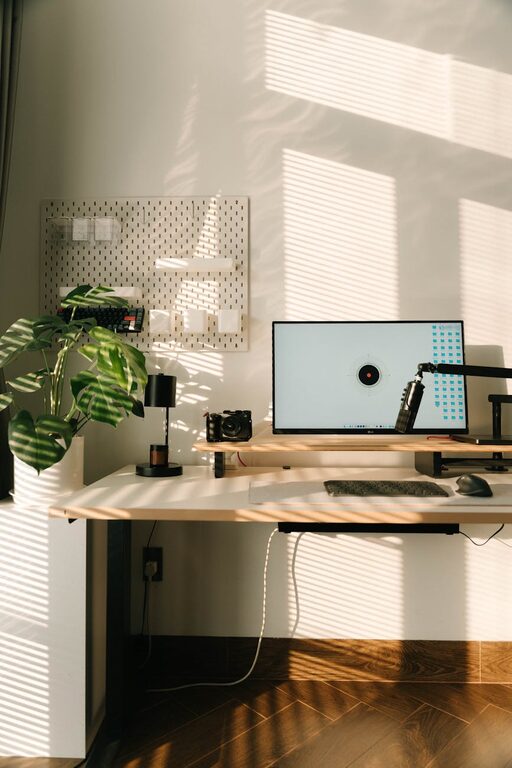
Place your desk near a window if you can. Natural light can improve your mood and reduce eye strain. If natural light is limited, invest in good quality artificial lighting that mimics daylight.
Invest in Comfortable and Functional Furniture
Ergonomic Chair and Desk
Comfort is key when spending long hours at a desk. Choose an ergonomic chair that supports your back and promotes good posture. Pair it with a desk at a suitable height to avoid strain on your wrists and shoulders.
Desk Organization
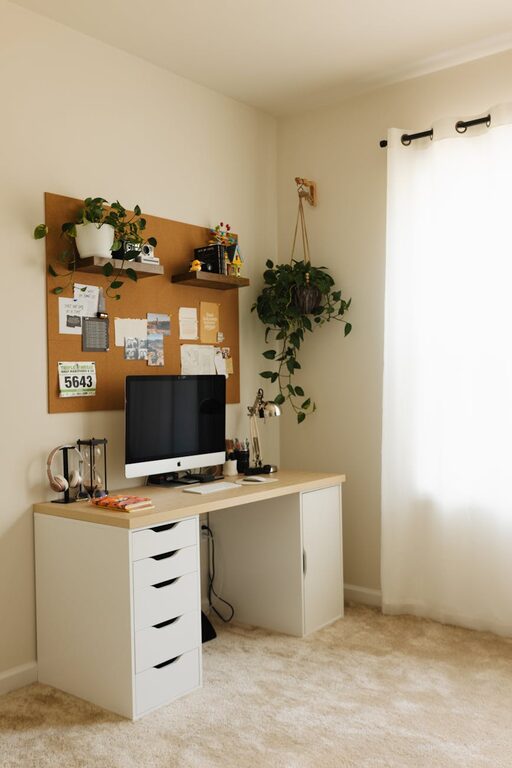
Select a desk with enough space to hold your computer, notepads, and any tools you regularly use. Consider desks with built-in storage or add shelves nearby to keep your workspace clutter-free.
Personalize Your Workspace
Use Colors that Inspire
Colors influence mood and productivity. Soft blues and greens promote calmness, while yellow and orange can increase energy and creativity. Use colors you find inspiring but avoid overwhelming your space with too many bright hues.
Add Personal Touches
Decorate your office with items that make you feel comfortable and motivated—photos, plants, artwork, or meaningful knick-knacks. Plants, especially, add life to your space and can improve air quality.
Optimize Lighting
Combine Different Types of Lighting
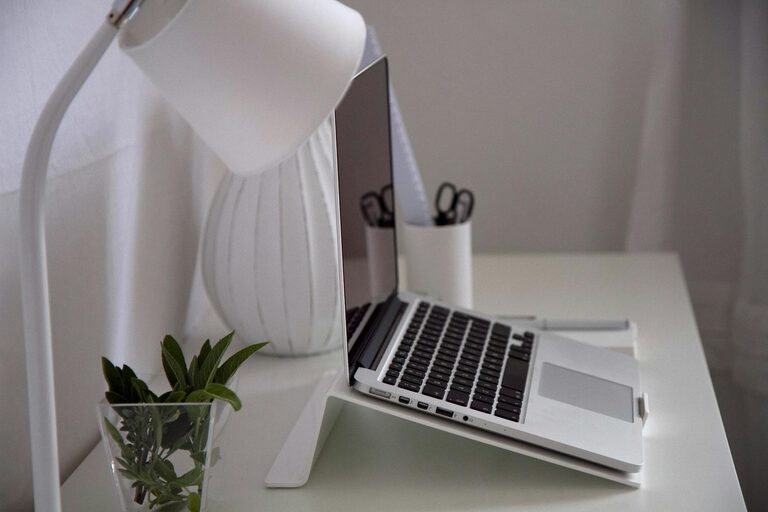
Use a mix of ambient lighting (overhead lights) and task lighting (desk lamps) to reduce eye strain and create a welcoming atmosphere. Adjustable lamps allow you to control the brightness based on your needs.
Reduce Screen Glare
Position your monitor and lighting to minimize glare, which can cause headaches and fatigue. Using an anti-glare screen protector can also help.
Keep Your Workspace Organized
Use Storage Solutions
Clutter can hinder your focus. Invest in organizers like drawer dividers, file holders, and cable management systems to keep everything tidy and within reach.
Develop a Routine for Tidying Up
Make it a habit to clear your desk at the end of each day. This simple practice helps you start fresh each morning with a clean, inviting workspace.
Incorporate Technology Wisely
Reliable Equipment
Ensure your computer, internet connection, and peripherals like printers or scanners are reliable. Technical difficulties disrupt your workflow and can increase stress.
Minimize Distractions
Use noise-canceling headphones if your environment is noisy. Consider apps or browser extensions that block distracting websites during work hours.
Maintain Boundaries Between Work and Home Life
Define Your Work Hours
Set specific start and finish times for your workday. This helps you mentally switch between ‘work mode’ and ‘home mode.’
Create Physical Boundaries
If possible, close the door to your office space when not working. This physical separation helps signal to yourself and family members when you are working and when you are off.
Add Comfort Elements
Temperature Control
Keep the room at a comfortable temperature. If your space tends to get hot or cold, consider portable fans or heaters.
Ergonomic Accessories
Use footrests, wrist supports, or standing desk converters to enhance comfort during long working sessions.
Stay Inspired and Motivated
Change Your Scenery Occasionally
If your setup allows, move your workspace near a window or rearrange your desk location from time to time. Small changes can boost creativity and reduce boredom.
Keep a Vision Board or Inspirational Quotes
Display your goals, reminders, or motivational quotes to keep you focused and uplifted during difficult days.
Conclusion
Designing a cozy and productive home office doesn’t require a huge budget, just intentional planning. Prioritize comfort, good lighting, organization, and personalization to create a space where you can work efficiently and happily. With these tips, your home office can become a favorite spot that inspires you to do your best work every day.