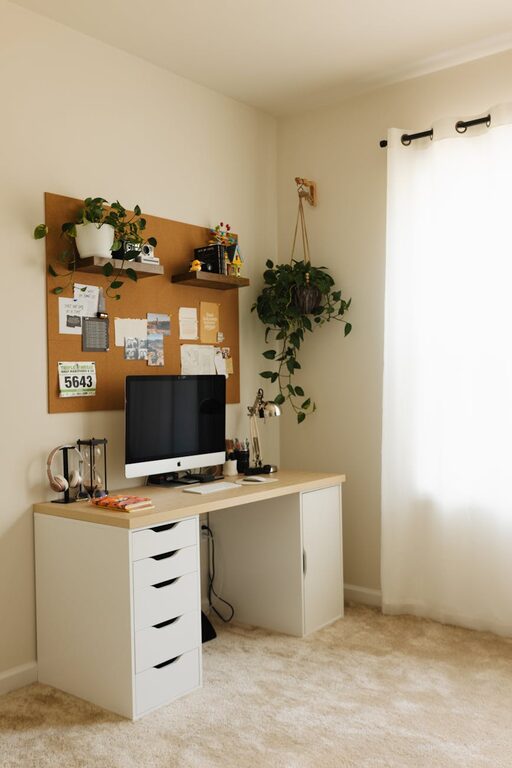
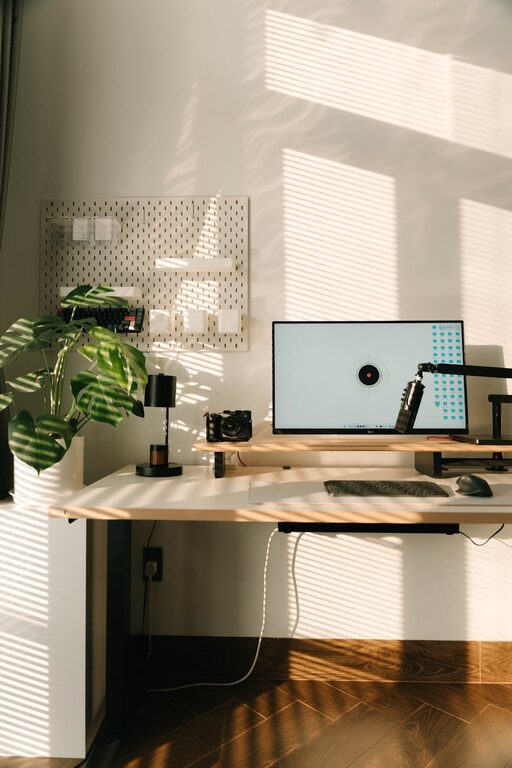
Creating a relaxing home office environment is essential for boosting productivity and maintaining well-being while working from home. A thoughtfully designed workspace helps reduce stress, increase focus, and make each workday more enjoyable. Whether you have a dedicated room or a small corner, you can transform your area into an inviting spot that promotes efficiency and calm.
In this post, we’ll explore practical tips to help you build a home office environment that nurtures productivity through relaxation.
1. Choose the Right Location
The first step to creating a relaxing home office is selecting the best possible spot in your home.
– Natural light: Try to place your desk near a window. Natural sunlight enhances mood and reduces eye strain.
– Quiet space: Pick a quiet area away from distractions like the TV or kitchen noise.
– Separate space: If possible, dedicate a specific room or corner for work to maintain a clear boundary between your professional and personal life.
2. Invest in Comfortable and Supportive Furniture
Comfort is key when it comes to working efficiently.
– Ergonomic chair: Select a chair that supports your back and encourages good posture.
– Adjustable desk: Consider a desk with adjustable height to switch between sitting and standing.
– Proper desk size: Make sure your desk has enough space for your computer, paperwork, and other essentials without feeling cluttered.
3. Use Calming Color Schemes
Colors influence mood and focus.
– Soft blues and greens: These colors promote tranquility and concentration.
– Neutral tones: Whites, beiges, and light grays create a clean, distraction-free backdrop.
– Personal touches: Add subtle pops of color with accessories or art that make you feel relaxed and inspired.
4. Declutter and Organize
An organized workspace reduces stress and helps you focus better.
– Minimalism: Keep only what you need on your desk.
– Storage solutions: Use shelves, drawers, and organizers to keep supplies tidy.
– Cable management: Use clips or sleeves to prevent cords from tangling, maintaining a clean look.
5. Incorporate Plants and Natural Elements
Bringing nature indoors can improve air quality and lift your spirits.
– Easy-care plants: Succulents, snake plants, and pothos are low-maintenance options.
– Natural materials: Wooden desks or bamboo organizers add warmth and texture.
– Nature décor: Photos or artwork of natural scenes can create a peaceful atmosphere.
6. Control Lighting and Avoid Glare
Proper lighting supports eye comfort and prevents headaches.
– Layered lighting: Combine natural light with task lighting like a desk lamp.
– Adjust brightness: Use dimmable bulbs or shades to reduce glare.
– Position monitors: Keep screens perpendicular to windows to minimize reflection.
7. Manage Noise Wisely
Noise can disrupt focus, so controlling it is important.
– Noise-canceling headphones: These are great for blocking distracting sounds.
– White noise machines: Gentle background sounds can help mask unwanted noises.
– Soundproofing: Adding rugs, curtains, or wall panels can absorb sound and improve acoustics.
8. Personalize Your Space Mindfully
Personal touches make the space inviting without causing distractions.
– Inspirational quotes or art: Choose items that motivate you.
– Photos: Display a few pictures of loved ones to uplift your mood.
– Scent: A diffuser with calming essential oils, such as lavender or eucalyptus, can create a soothing atmosphere.
9. Establish Daily Routines
A structured routine can enhance productivity and relaxation.
– Set office hours: Define clear work start and end times to separate work and rest.
– Break time: Schedule regular breaks to stretch, hydrate, and reset your focus.
– Organize tasks: Use planners or apps to prioritize and track your workload.
10. Keep Technology User-Friendly
Technology should enhance your work, not create frustration.
– Reliable internet: Ensure your connection is stable.
– Ergonomic peripherals: Use comfortable keyboards, mice, or trackpads.
– Regular updates: Maintain software and hardware to avoid technical glitches during work.
—
By applying these tips, you can create a home office environment that feels both relaxing and energizing. Remember that small changes add up over time and the key is to design a workspace that suits your personal preferences and work style. With a calm and well-organized setting, you’ll find it easier to focus, reduce stress, and make every work session productive and enjoyable.